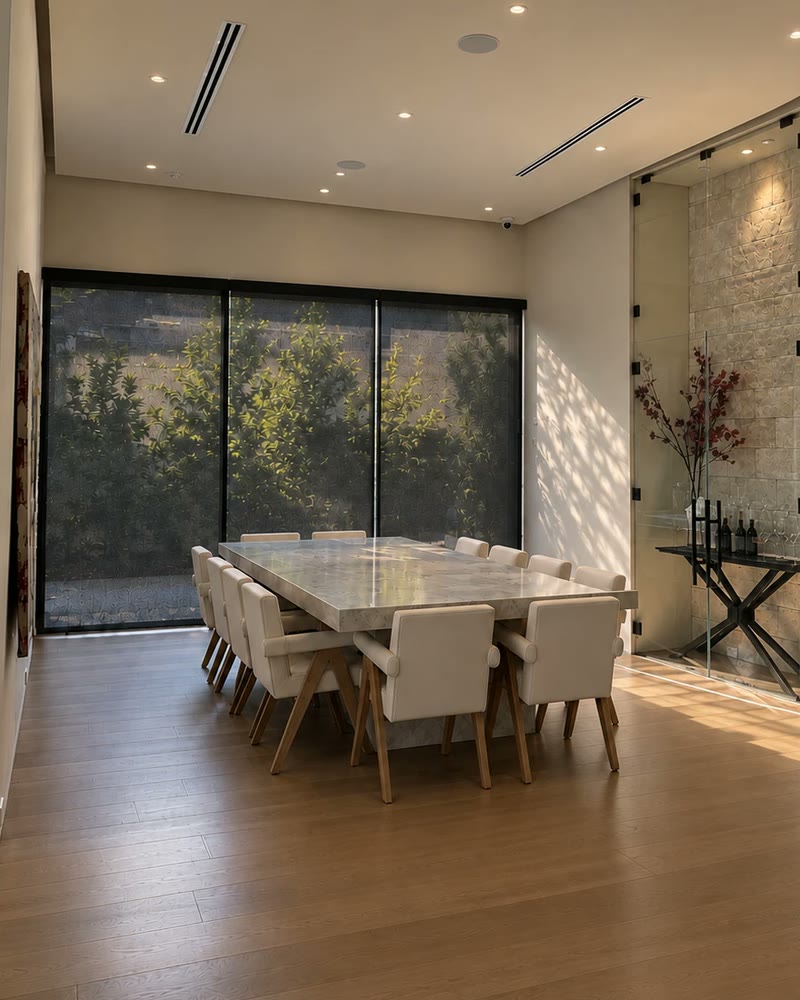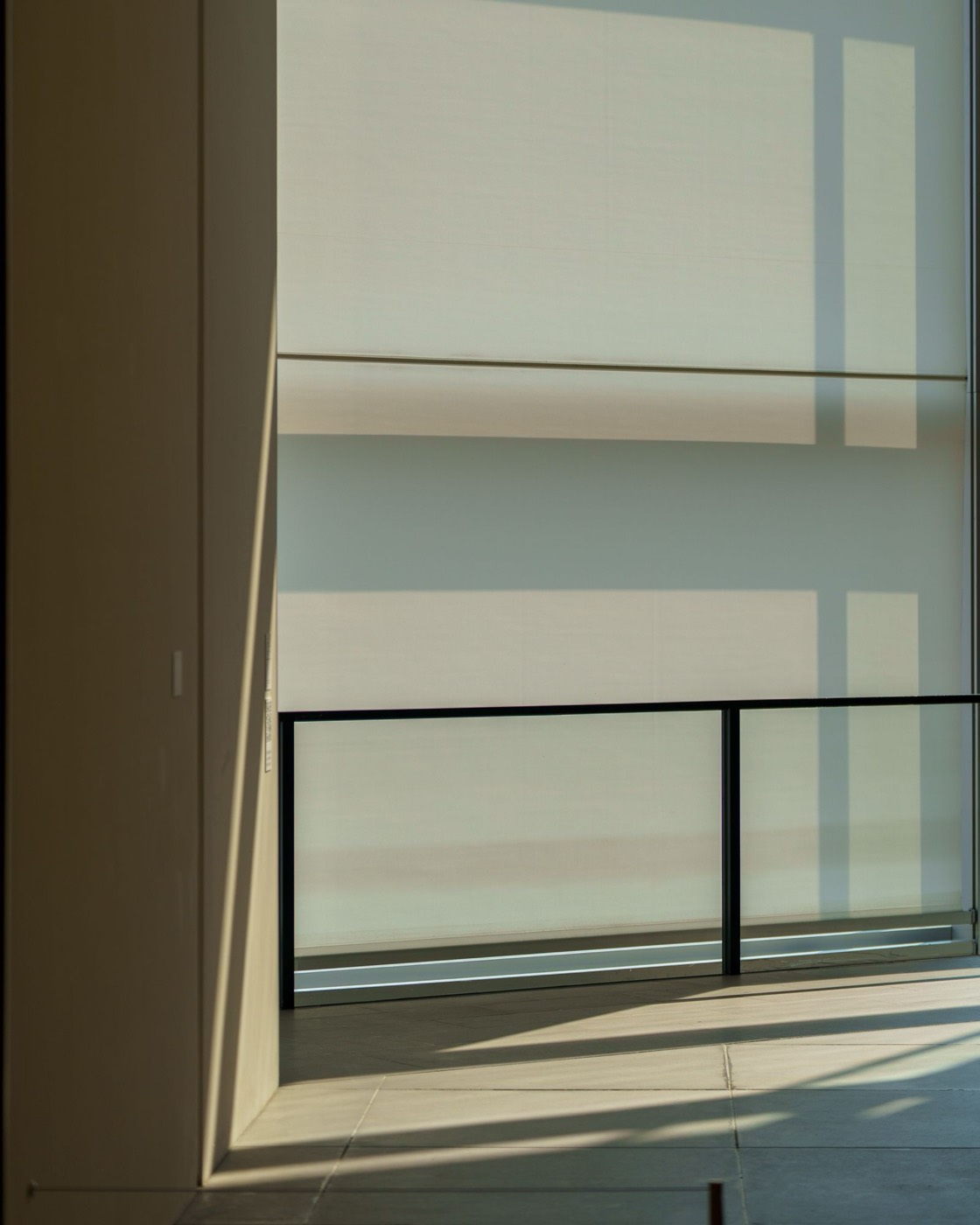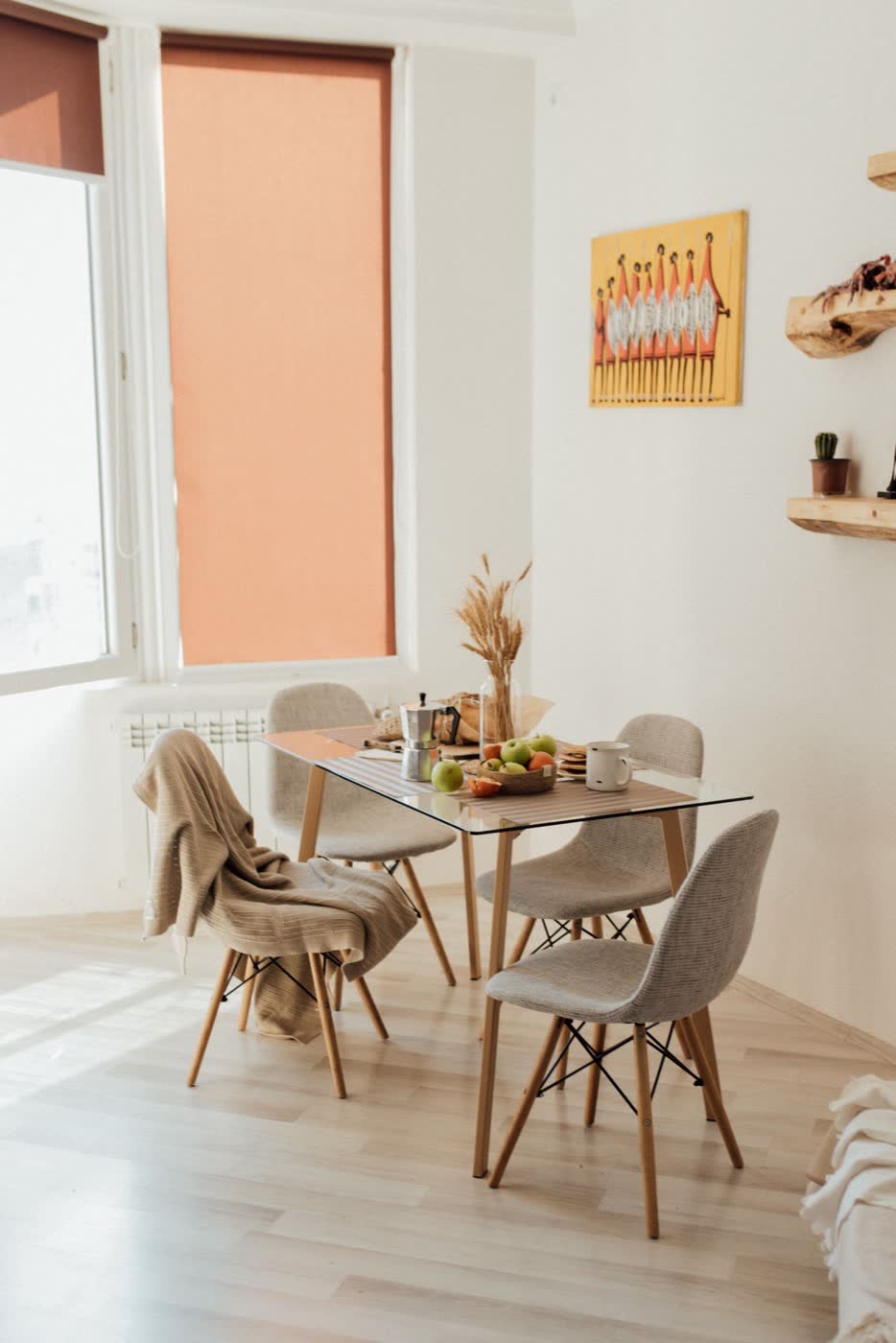
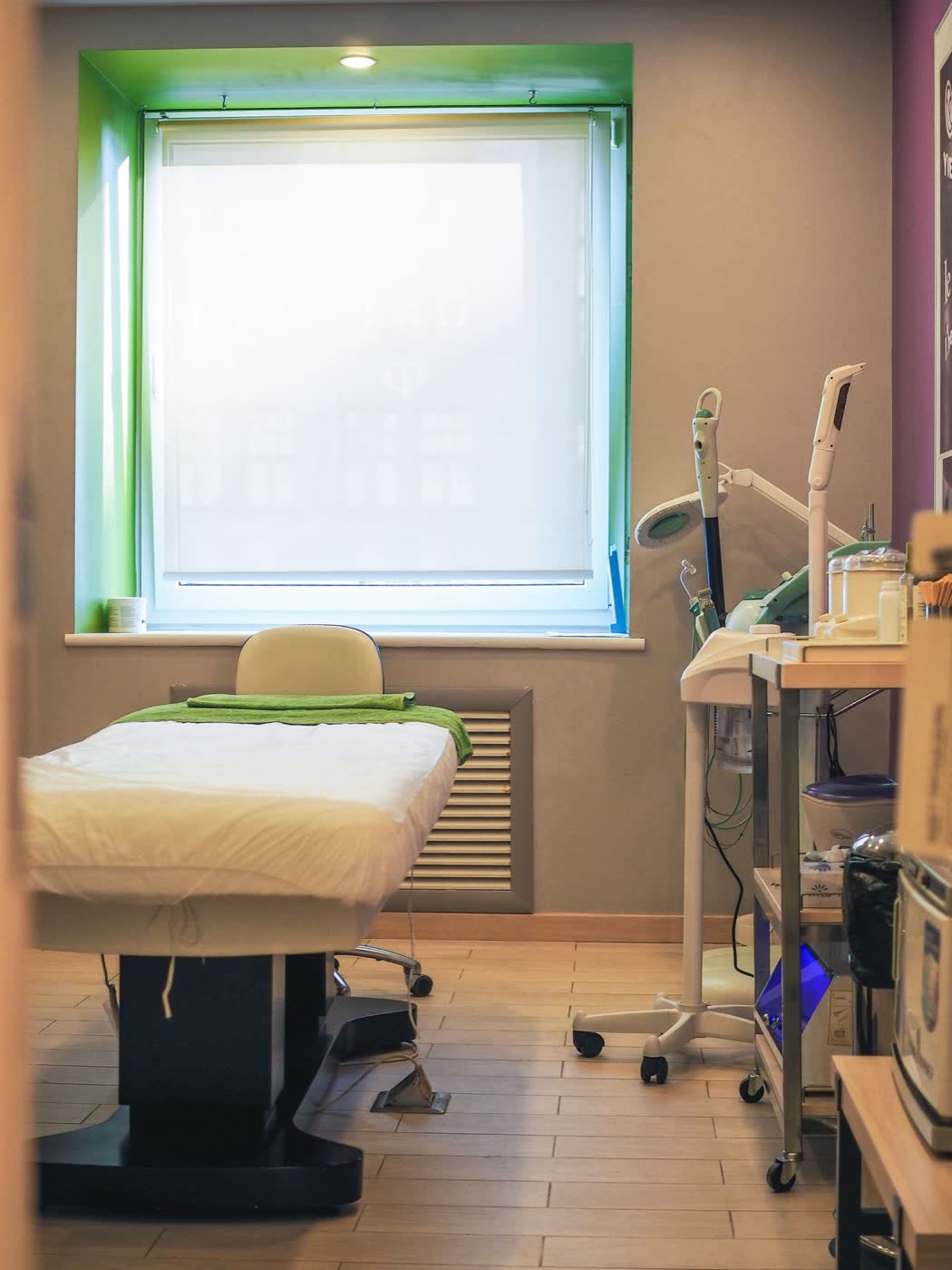
The best shades for hospitals and clinics are simple roller shades with no loose cords. One flat panel of fabric is easy to wipe, has no slats to collect dust, and rolls up out of the way. Use light filtering fabric where people wait and work, and room darkening or blackout where patients rest.
Why roller shades in a medical space?
- Easy to clean. One panel of fabric, nothing to dust slat by slat.
- No hanging cords. Motorized shades have no cord or chain at all. Read are cordless shades safer for kids and pets; the same thinking applies to patients.
- Clean look. Rolled up, the shade disappears into a slim roller above the window. Nothing sticks out into the room for a bed, a cart or a wheelchair to hit.
Which fabric goes in which room?
- Waiting rooms and lobbies: light filtering. Daylight stays, glare goes. See do light filtering shades block heat.
- Exam and consult rooms: room darkening for privacy from outside. Read can you see through light filtering shades at night.
- Patient rooms: blackout for rest, often as a dual roller with a light filtering shade on the same bracket. See blackout shades.
- Imaging and procedure rooms: blackout with side channels to close the light gaps.
Should medical shades be motorized?
On big windows, high windows and rooms where staff need to darken quickly, yes. Shades can run on a schedule, from a wall keypad, or from building control systems like Control4, Crestron Home and Savant. Every motor we install has a lifetime warranty on the motor.
How do you keep a building consistent?
We keep fabric, size and hardware on file, so a replacement in one room matches the rest of the floor. For new construction and remodels, we plan shade pockets and pre-wire at framing, and provide samples, cut sheets and a written spec.
How do we start?
See hospitals and healthcare for what we cover, then request a commercial bid. Browse colors on our fabrics page.
Book a walk-through: request a quote or call (702) 927-2537.